Septic and well safety after a flood
Septic and well safety after a flood starts with avoiding suspect water and contaminated ground until the supply and wastewater system have been assessed. Stay out of standing floodwater, since it can carry sewage and chemicals. When floodwater has covered the wellhead, use bottled water for drinking and cooking while following Health’s directions for inspection, disinfection and sampling, because appearance alone cannot establish that a flooded supply is safe to use.
Ease off water use in the house while the ground is saturated. A field full of groundwater cannot take more, and heavy use can back wastewater into the home. Wait for the water to drop before anyone opens the tank.
Check lids, electrical controls and the distribution box once the site is dry, and hire a professional for electrical work and pumping. Follow the Vermont Department of Health guidance on disinfecting and testing a well before you use it again.
| Step | Why it comes first | Who helps |
|---|---|---|
| Stay out of floodwater | It can carry sewage and chemicals | Local emergency management |
| Stop drinking the well water | Floodwater can contaminate a well | Vermont Department of Health |
| Cut water use in the house | A saturated field cannot accept more | You |
| Keep away from flooded electrical | Shock risk at pumps and panels | Licensed electrician |
| Delay pumping in saturated ground | An empty tank can shift | Septic contractor |
| Disinfect and test the well | Follow the official source-assessment, disinfection and sampling procedure; one result does not guarantee future safety | Well professional and state lab |
| Inspect tank and field | Silt and damage show up after the water drops | Septic inspector |
A planning summary of safe first steps for a flooded property with a private well and septic system. The Vermont Department of Health and the regional office set the official guidance.
The septic system while the ground is saturated
A flooded field cannot treat or absorb wastewater. Every gallon the house sends out has to go somewhere, and with the soil full it may come back up into the lowest drain in the house, so cut water use to the minimum until the ground drains.
Do not pump the tank while the groundwater is high unless a contractor tells you it is safe. An empty tank in saturated ground can shift or float. Ask the pumper about the risk before the truck arrives.
The well after floodwater reaches it
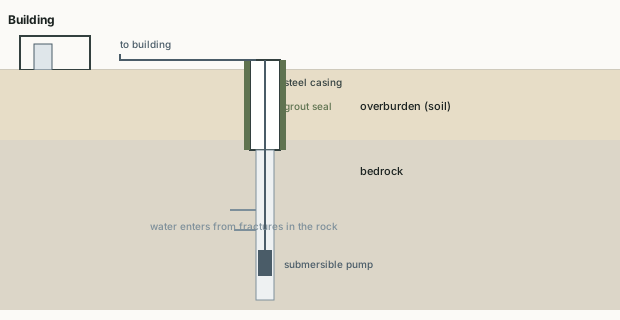
Floodwater can carry bacteria, sewage and chemicals into a well through the cap, the casing or the ground around it, so a well the water covered should be treated as unsafe. Use bottled water for drinking, cooking and brushing teeth.
Arrange the recommended inspection, disinfection and laboratory testing. If fuel or other chemical contamination is suspected, ask Health about additional testing; a clear bacteria result does not rule out chemicals.
The Vermont Department of Health publishes the procedure and the lab list. Do not go back to the tap until the result comes back clean.
Keep the lab receipt and the result with your records, since a lender, an insurer or a future buyer may ask for proof that the well was disinfected and tested after the water came through.
Checking the site once the water drops
Look for shifted lids, silt in the tank and displaced risers, and check the distribution box and any pump chamber for damage. Keep away from flooded electrical controls until a licensed electrician clears them.
Book an inspection and, if needed, a pump-out once the ground firms up. Record what you see with photos. The notes help with insurance and with any repair permit.
Septic and well safety after a flood: flood exposure and return-to-use evidence
Can I use my toilets after the flood?+
Use them as little as possible while the ground is saturated. The field cannot take the water, and heavy use can push wastewater into the house. Cut showers, laundry and dishwasher loads.
What if sewage backs up into my house during a flood?+
Treat everything it touched as contaminated and keep people and pets away. Stop using water. Call a septic professional and a cleanup service.
Is floodwater over my drain field dangerous?+
Yes. It can carry sewage and it is unsafe to touch. Keep children and pets away until it drains.
How long should I wait before going back to full use of the septic system?+
Wait until the ground has drained and the field is no longer soggy. Ease back into normal use, and watch for slow drains or wet spots. An inspection tells you whether it recovered.
What damage should I look for on the tank?+
Keep floodwater and sewage contact away from occupants and pets. Record visible changes from a safe position and have the affected components assessed before resuming normal use.
Check the distribution box and any pump chamber. A professional can confirm.
Can I touch the septic pump or control panel?+
Do not touch flooded electrical equipment. Water and electricity are a shock risk. Wait for a licensed electrician to check it.
Do I need to disinfect a dug well differently from a drilled well?+
Both need disinfection and testing. A dug well is more exposed and may need extra attention. A well professional can advise on the method.
Will insurance cover septic or well damage from a flood?+
Many homeowner policies exclude flooding, and coverage for wells and septic varies. Check your policy and any flood coverage. Take photos before cleanup.
Where can I find official guidance after a flood?+
The Vermont Department of Health and the state wastewater program publish it. The resources page on this site lists both. Follow the current guidance over any general advice.